White Wine Lobster Pasta
Highlighted under: Global Flavor Recipes
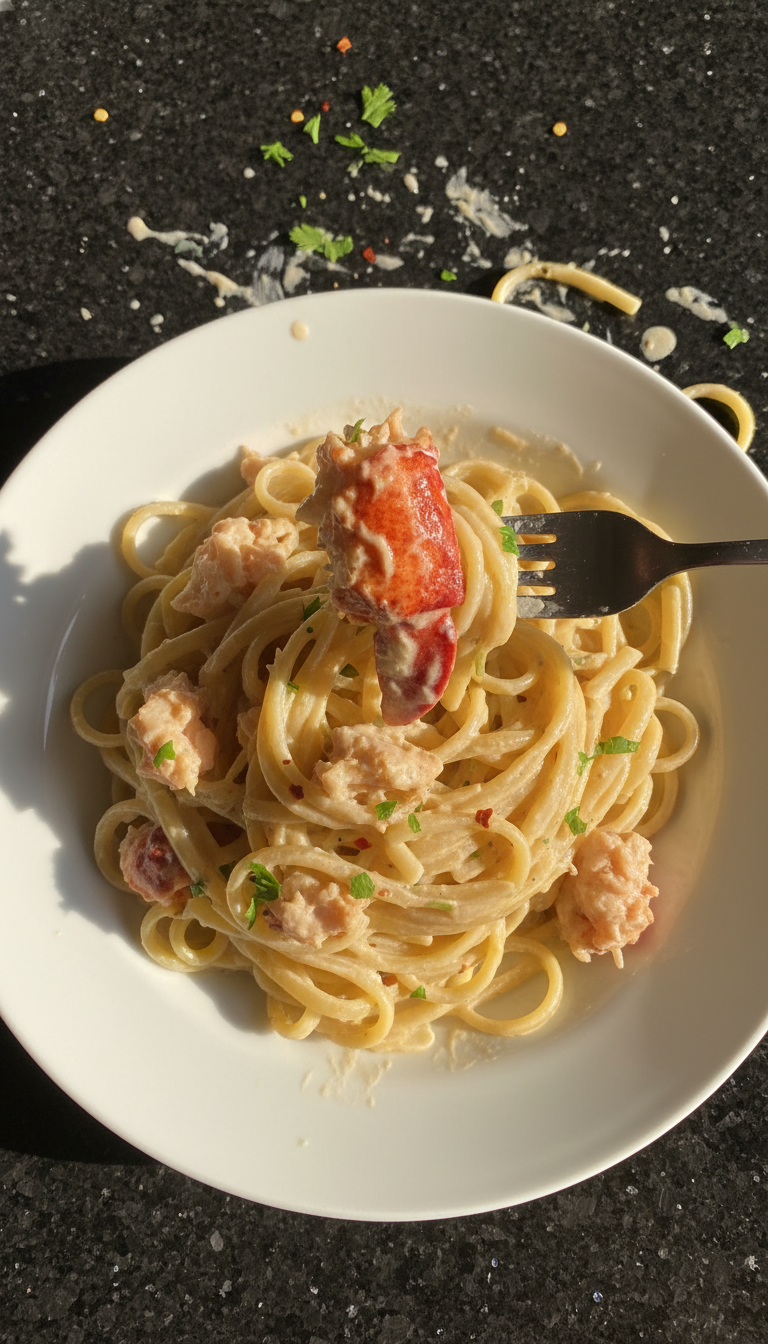
I absolutely love making White Wine Lobster Pasta! It's a dish that combines the elegance of fresh lobster with the comforting embrace of pasta. The rich flavors of white wine and garlic create a delightful sauce that I could probably eat every day. I enjoy preparing it for special occasions or even just a cozy night in. It’s impressive yet surprisingly simple to whip up, making it a favorite of mine to share with friends and family. Trust me, this dish is the perfect way to elevate your dining experience at home!
When I first tried making this dish, I wasn't sure how well the flavors would meld together. To my surprise, the combination of fresh lobster and white wine transformed my pasta dish into something extraordinary! The richness of the lobster paired with the acidity of the wine makes every bite a burst of flavor.
A tip I learned is to save a splash of the pasta cooking water. Adding it to the sauce helps create a silky texture that clings beautifully to the pasta. Trust me, it’s a game-changer for achieving that perfect consistency!
Why You'll Love This Recipe
- Decadent lobster elevates your pasta to a gourmet level
- The white wine sauce is perfectly balanced and rich
- It’s a stunning dish that's surprisingly quick to prepare
The Importance of Fresh Ingredients
Using fresh lobster meat is key to achieving the best flavor in this dish. I recommend purchasing lobster from a reputable seafood market to ensure it’s as fresh as possible. If lobster is not available, succulent shrimp or crab meat can serve as excellent substitutes, although they might alter the dish's overall flavor profile. Fresh ingredients truly elevate the meal and provide a more vibrant taste, making every bite a delightful experience.
In addition to the lobster, the quality of the white wine plays a crucial role in developing the sauce. Opt for a dry white wine, such as Sauvignon Blanc or Pinot Grigio, which adds acidity and depth. Avoid cooking wines, as they often contain added salt and preservatives that can detract from the finished dish. When sautéing garlic, take care not to overcook it; you want it to be fragrant without turning bitter.
Perfecting the Sauce
Achieving the perfect consistency for your sauce is essential. After adding the lobster and heavy cream, allow the mixture to gently simmer over medium heat for about 3-4 minutes. This will help incorporate the flavors without overcooking the lobster. If the sauce appears too thick, gradually add the reserved pasta water—about a tablespoon at a time—until it reaches a creamy, glossy texture that clings well to the linguine.
Balance is vital in this dish; taste your sauce before serving and adjust seasoning with salt and pepper as needed. If you enjoy a hint of heat, consider a pinch of red pepper flakes while sautéing the garlic. This can enhance the dish without overshadowing the delicate flavors of the lobster and wine.
Serving and Storage Tips
When serving White Wine Lobster Pasta, presentation can elevate the dining experience. I suggest garnishing with additional chopped parsley or a sprinkle of freshly grated Parmesan cheese to add a touch of elegance. For a complete meal, pair this dish with a crisp green salad and a glass of the same white wine used in the recipe, complementing the flavors beautifully.
If you have leftovers, store the pasta in an airtight container and refrigerate for up to two days. Reheat gently on the stove over low heat, adding a splash more of white wine or cream to retain moisture. Avoid microwaving, as it can result in overcooked lobster. Alternatively, you can freeze the sauce in an ice cube tray for future quick meals, just remember that the texture may change slightly upon reheating.
Ingredients
Main Ingredients
- 12 oz linguine pasta
- 1 lb lobster meat, cooked and chopped
- 1 cup dry white wine
- 4 cloves garlic, minced
- 1/4 cup olive oil
- 1/4 cup heavy cream
- 1/4 cup fresh parsley, chopped
- Salt and pepper to taste
Instructions
Cook the Pasta
Bring a large pot of salted water to a boil and cook the linguine according to package instructions until al dente. Reserve 1 cup of the pasta water before draining.
Prepare the Sauce
In a large skillet, heat the olive oil over medium heat. Add the minced garlic and sauté until fragrant, about 2 minutes. Pour in the white wine and let it simmer for 5 minutes.
Combine Lobster and Cream
Stir in the chopped lobster meat and the heavy cream. Cook for another 3-4 minutes until warmed through. Season with salt and pepper to taste.
Finish the Dish
Add the cooked linguine directly to the skillet, tossing it in the sauce. If the mixture is too dry, use the reserved pasta water, a splash at a time, until desired consistency is reached. Sprinkle with fresh parsley before serving.
Pro Tips
- For an extra touch, consider adding a squeeze of fresh lemon juice or a sprinkle of red pepper flakes for a bit of heat.
Variations and Additions
For those looking to change up the flavors in White Wine Lobster Pasta, consider adding seasonal vegetables such as asparagus or cherry tomatoes to the sauce. Sauté these veggies along with the garlic for added texture and color. This not only enhances the dish's nutritional value but also brings a fresh, vibrant touch to the classic recipe.
Another delicious variation is to incorporate citrus elements. A squeeze of lemon juice or the zest from a lime can brighten the sauce and elevate the seafood flavors. Just be cautious with the acidity; a little goes a long way and can create a refreshing contrast with the richness of the heavy cream.
Troubleshooting Common Issues
One common issue when preparing pasta dishes is clumping. To prevent this, make sure to stir the linguine occasionally while it's cooking. Additionally, using enough salted water (it should taste like the sea) helps keep the pasta separate and enhances its flavor. If your sauce feels overly oily after adding the olive oil, consider whisking in a bit more cream or a dash of broth to balance it out.
If you find your sauce lacking depth, adding a touch of freshly grated nutmeg can introduce an unexpected warmth. Be mindful not to overdo it; just a pinch can make a significant impact. Always adjust the seasoning towards the end of cooking, as flavors can intensify while simmering.
Questions About Recipes
→ Can I use frozen lobster meat?
Yes, frozen lobster works well but ensure it's fully thawed and drained before using.
→ What type of white wine is best?
A crisp dry white wine like Sauvignon Blanc or Pinot Grigio enhances the flavors perfectly.
→ Can I substitute the pasta?
Absolutely! Any long pasta such as spaghetti or fettuccine can be used as a substitute.
→ How can I make this dish lighter?
You can use less cream or substitute with a lighter version or even some vegetable broth for a healthier option.
White Wine Lobster Pasta
Created by: The Cookcraftdaily Team
Recipe Type: Global Flavor Recipes
Skill Level: Intermediate
Final Quantity: Serves 4
What You'll Need
Main Ingredients
- 12 oz linguine pasta
- 1 lb lobster meat, cooked and chopped
- 1 cup dry white wine
- 4 cloves garlic, minced
- 1/4 cup olive oil
- 1/4 cup heavy cream
- 1/4 cup fresh parsley, chopped
- Salt and pepper to taste
How-To Steps
Bring a large pot of salted water to a boil and cook the linguine according to package instructions until al dente. Reserve 1 cup of the pasta water before draining.
In a large skillet, heat the olive oil over medium heat. Add the minced garlic and sauté until fragrant, about 2 minutes. Pour in the white wine and let it simmer for 5 minutes.
Stir in the chopped lobster meat and the heavy cream. Cook for another 3-4 minutes until warmed through. Season with salt and pepper to taste.
Add the cooked linguine directly to the skillet, tossing it in the sauce. If the mixture is too dry, use the reserved pasta water, a splash at a time, until desired consistency is reached. Sprinkle with fresh parsley before serving.
Extra Tips
- For an extra touch, consider adding a squeeze of fresh lemon juice or a sprinkle of red pepper flakes for a bit of heat.
Nutritional Breakdown (Per Serving)
- Calories: 480 kcal
- Total Fat: 26g
- Saturated Fat: 12g
- Cholesterol: 90mg
- Sodium: 120mg
- Total Carbohydrates: 40g
- Dietary Fiber: 2g
- Sugars: 2g
- Protein: 26g